Supercomputing AI
Parallel algorithms and GPU acceleration for models that must run fast enough to control physical systems.
 robotics.it
AI + Robotics + Supercomputing
Robotics integrates high-performance computing, real AI beyond standard ML, SLAM, world modeling, causal reasoning, computer vision, mechatronics, autonomous vehicles, drones, rovers and Mars-oriented exploration logic.
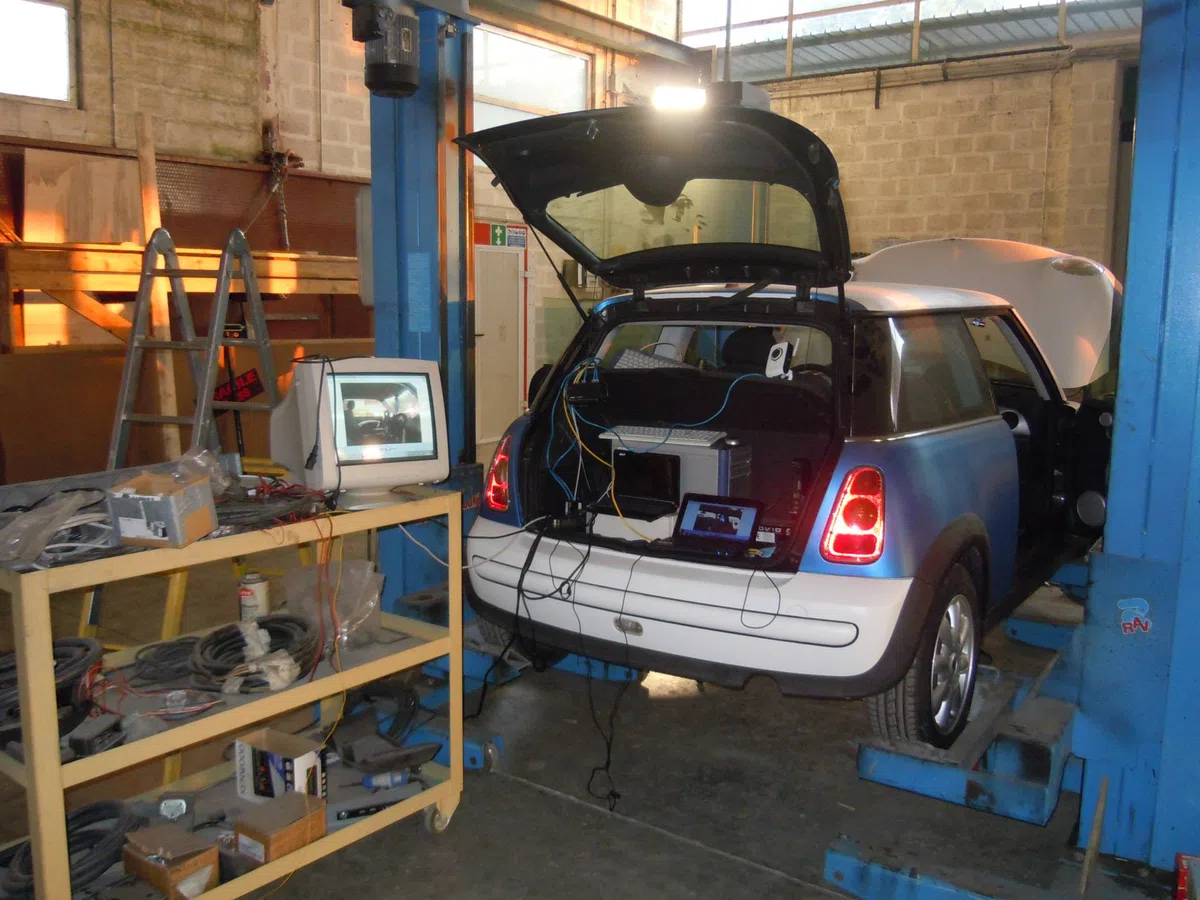
Robotics lineage
The public Strong Artificial Intelligence record describes supercomputing, CUDA, OpenCL, OpenACC, neural networks, TensorFlow, autonomous robots, Mars exploration concepts, stratospheric balloons and vehicle transformation work. Robotics.it consolidates that line into a frontier AI robotics program.
Research areas
Parallel algorithms and GPU acceleration for models that must run fast enough to control physical systems.
Electric retrofit intelligence, assisted driving applications, perception, telemetry and control loops.
Elf drone lineage, ground stations, rovers and hostile-environment testing logic.
Balloons, robots, habitat preparation, mapping and mission planning for extreme environments.
Uncertainty, supervised/unsupervised/reinforcement learning, Gaussian filters, SLAM and graphical models.
LabX-style teaching and formation for scientists, students, programmers and builders.
AI and robotics pages
Genomics, computational biology and AI-driven biological intelligence.
OpenOpenAI medicine program page: clinical reasoning, computational modeling and health-data interpretation.
OpenOpenMetabolic intelligence, molecular modeling and biomedical AI program.
OpenOpenSpace, marine and autonomous intelligence technology program.
OpenOpenAI-oriented program for intelligent experience design and applied machine learning.
OpenOpenMechatronics, automation, AI control and hardware integration program.
OpenOpenSustainability and materials intelligence program page.
OpenOpenAutonomous systems, field robotics, supercomputing and applied AI.
OpenField visuals
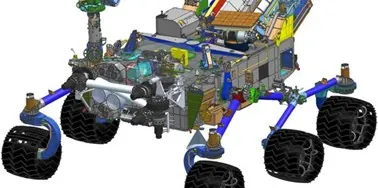
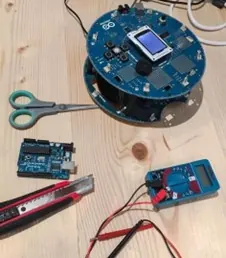
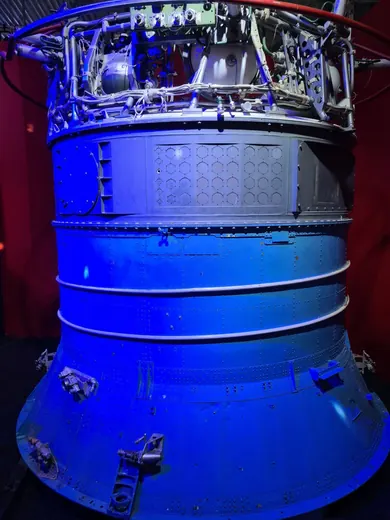
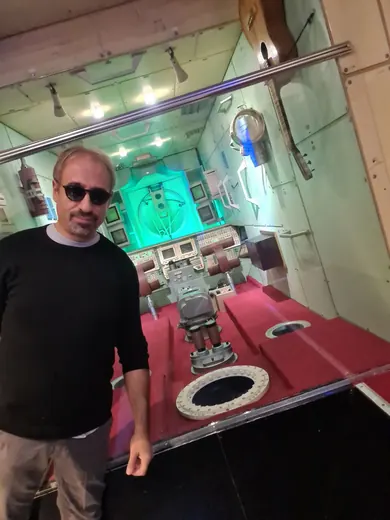
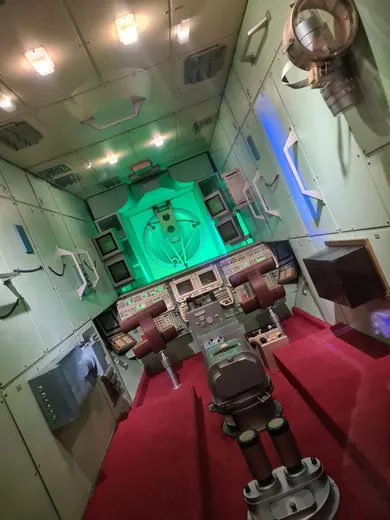
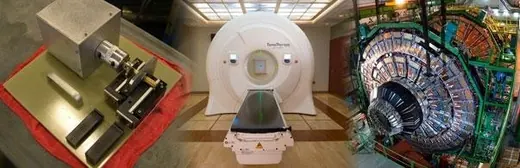
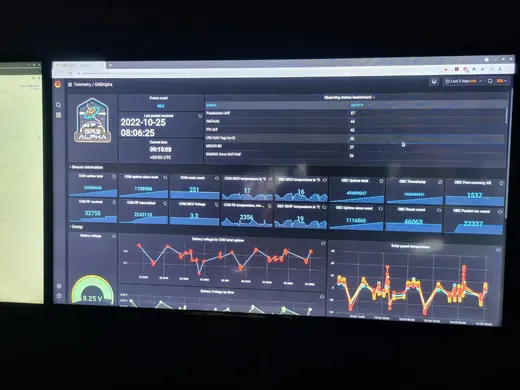
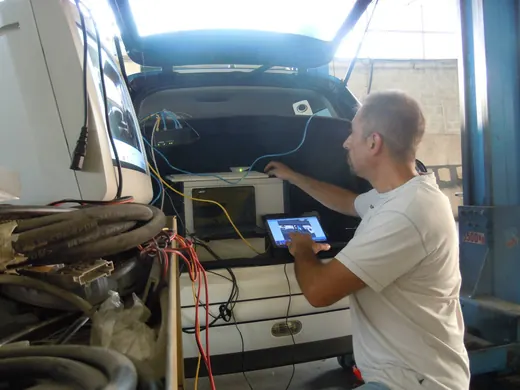
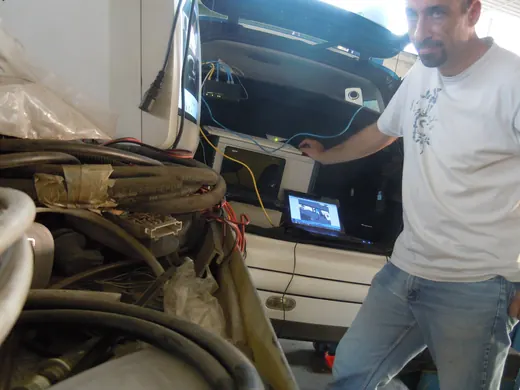
Photography from prototypes, labs, missions and applied research contexts.

Real AI, HPC and robot education
Robotics works on AI as an operating discipline for machines, laboratories and infrastructure: perception, symbolic checks, causal reasoning, reinforcement learning, simulation, control, memory, planning and verifiable evidence are treated as one architecture.
Models are embedded into reasoning loops, world models, rule systems, safety envelopes and scientific validation rather than left as isolated predictors.
GPU acceleration, parallel simulation and quantum-computing design principles support search, optimization, cryptographic resilience and scientific inference.
Robots are trained as situated agents: they learn tasks, constraints, environments, mission logic, human oversight and ethical boundaries.