Real AI + HPC + Robotics
Machines educated for reality, not just models trained on data.
Robotics treats artificial intelligence as a complete operating architecture: high-performance computation, world models, probabilistic reasoning, symbolic constraints, reinforcement learning, perception, planning, memory, verification and human governance.
Scientific position
Beyond standard ML.
Standard machine learning is one tool. Robotics focuses on stronger systems: agents that understand constraints, learn from simulated and physical environments, adapt to missions, explain operational evidence and remain bounded by safety, ethics and human supervision.
World models and causal structure
Autonomy requires more than pattern recognition. It requires internal representations of space, time, objects, uncertainty, action consequences and mission priorities.
HPC for intelligence
GPU clusters, CUDA/OpenCL lineage, parallel simulation and scientific acceleration make it possible to test many hypotheses, train robust policies and run high-throughput inference for real systems.
Quantum-computing architectures
Quantum computing informs optimization, cryptographic resilience, search logic, simulation strategy and future-proof trust infrastructure, even when deployment uses hybrid classical systems.
Robot education
Robots are educated as situated agents: perception, control, symbolic rules, task memory, reinforcement learning, corrective feedback and mission doctrine are aligned into a coherent operating stack.
Safety and evidence
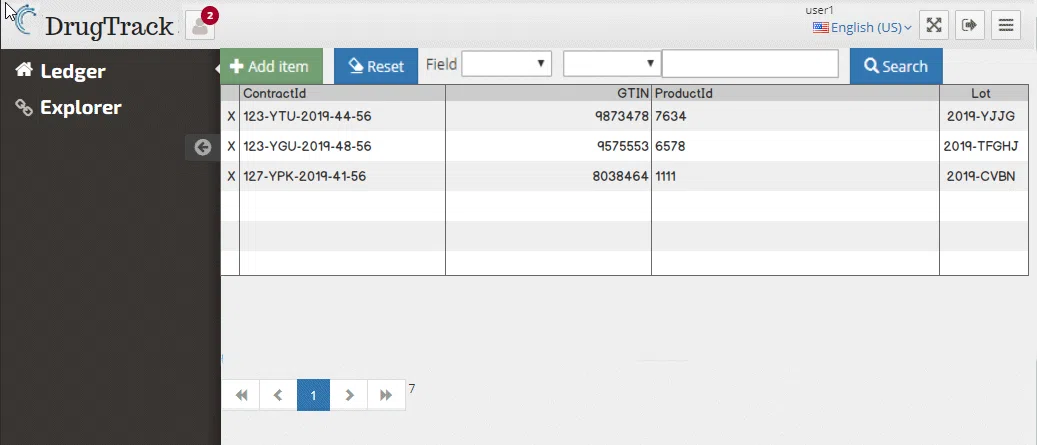
Every intelligent action should leave a trace: sensor context, model state, decision route, human override, control boundary and operational proof.
Humanitarian deployment
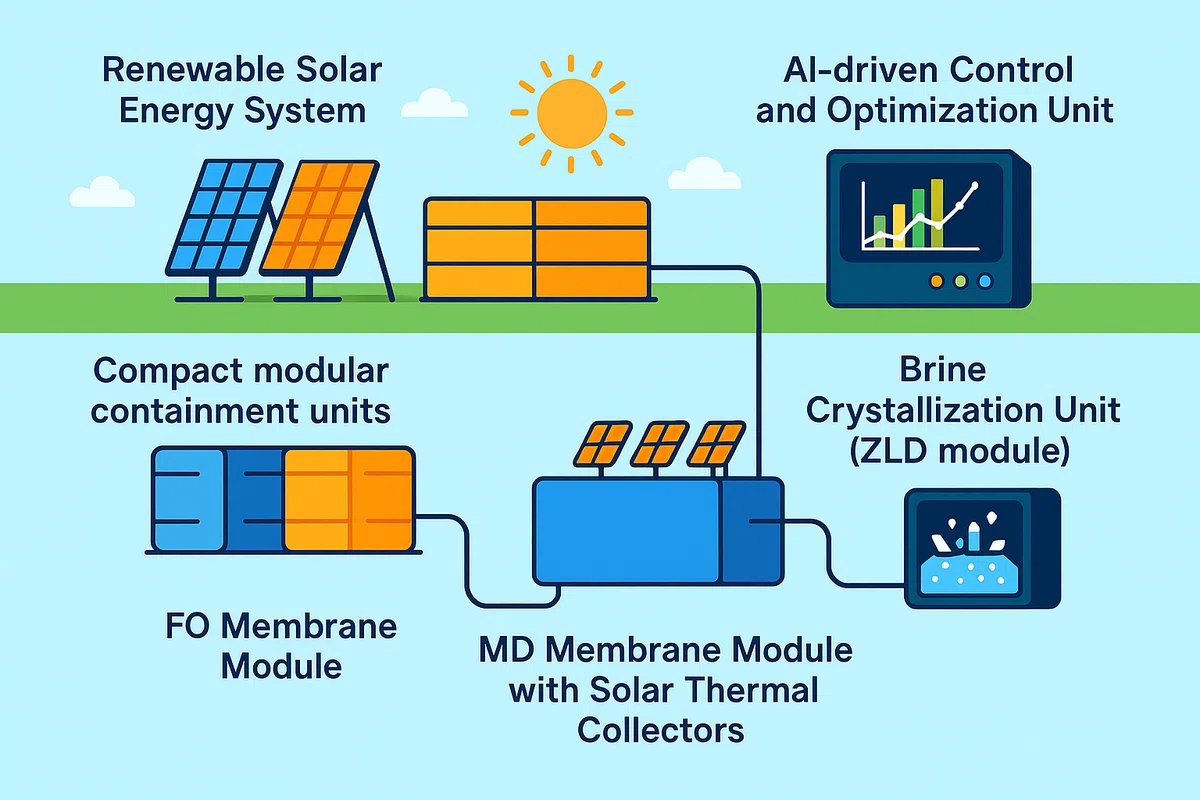
The same intelligence stack supports water systems, environmental monitoring, logistics, education, medical research and field robotics for communities that need resilient infrastructure most.