
Robotics develops around the conviction that artificial intelligence becomes most meaningful when it controls, measures or protects a real system. Autonomous vehicles, rovers, drones, stratospheric balloons and robotic laboratories are not separate curiosities; they are embodiments of the same operating stack: sensors, computation, control, evidence and mission discipline.
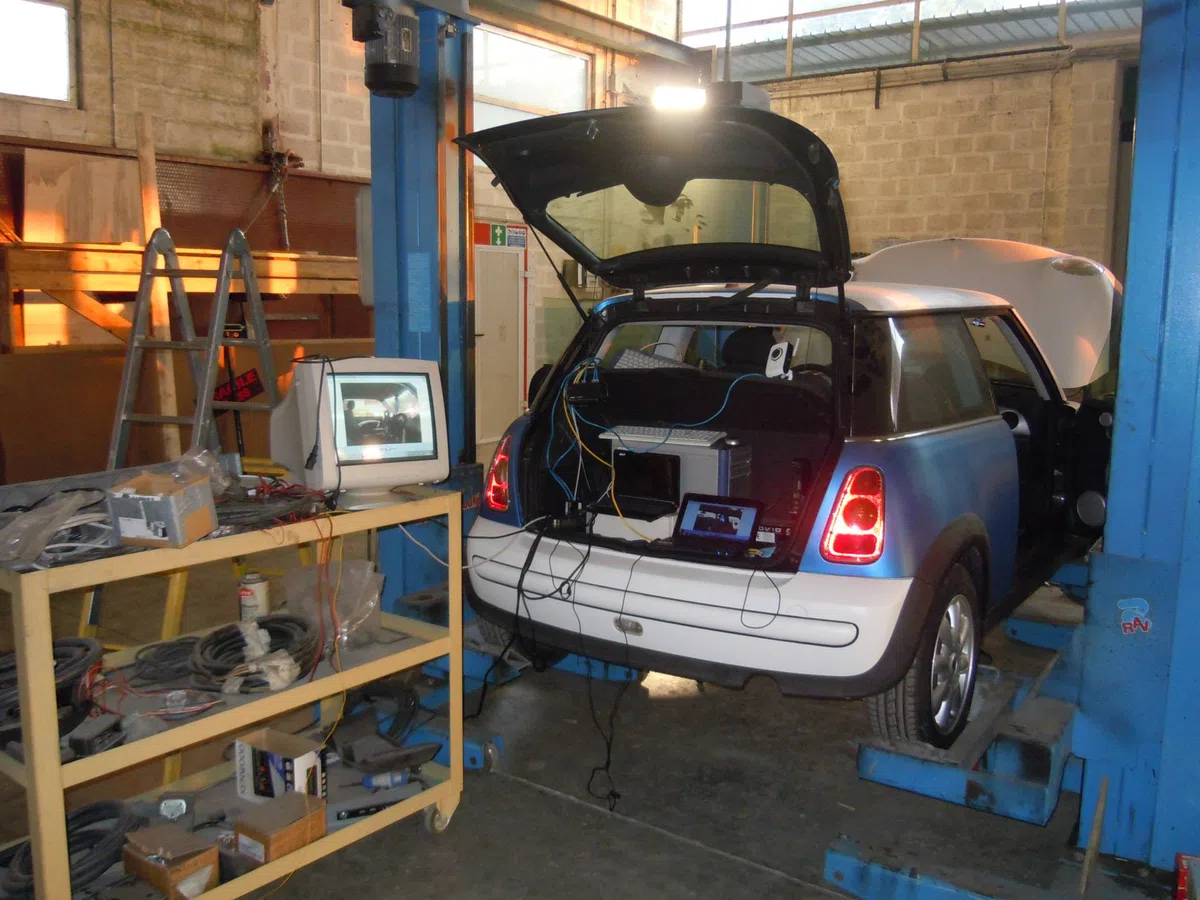
The autonomous vehicle work includes electric-vehicle retrofit intelligence, engine-bay electronics, perception, embedded control, data acquisition, test procedures and high-performance computation. The vehicle becomes a laboratory where algorithms meet vibration, power, thermal constraints, mechanical tolerances and safety requirements.
Autonomous machines
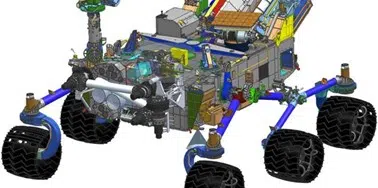
The robotics line includes rovers, drones, balloon-supported sensing, mobile platforms and educational autonomous systems. These machines require localization, sensor fusion, motion planning, obstacle interpretation, mission logic and robust human override.
Supercomputing layer
AI control is supported by CUDA, OpenCL, GPU computation, simulation and parallel inference. The objective is to shorten the path from raw sensor data to useful operational decisions while preserving auditability and safety.
Field relevance
Autonomous systems matter in hazardous, remote or high-complexity settings: landslide surveillance, environmental monitoring, emergency response, exploration, logistics, water infrastructure and precision inspection. Robotics treats autonomy as an extension of human capability rather than a replacement for responsibility.
Education and dissemination
The program also includes teaching and demonstration activity: building robots, explaining autonomous logic, showing students how computation becomes motion and preparing new technical talent for ambitious scientific missions.