
Aqua Vitaque: Civil Research Consortium Competence Mapping
1. Partner Identification
Organisation name: Medical University of Graz (Med Uni Graz)
Type of organisation: [X] University
Country: Austria
Contact person: PD. Dr. Clemens Kittinger, Group Leader and Professor
2. Core Competencies Relevant to Aqua Vitaque
2.1 Scientific and Technical Expertise
Expertise in environmental microbiology and ecotoxicology, focusing on the genetic basis of antibiotic resistance (AR) spread and persistence in aquatic environments. Advanced skills in molecular biology, flow cytometry (FACS), and cell culture. Specialized in the assessment of non-targeted genotoxicity and cytotoxicity using planar bioassays and eukaryotic test systems to monitor micropollutants in wastewater. Expertise extends to food safety, specifically the molecular characterization of the Bacillus cereus group and its interaction with circular, fiber-based packaging materials.
2.2 Previous Civil Research Experience
Project: FFG-BRIDGE: Safety Assessment of Food Contact Materials. Role: Project Leader. Outcomes: Developed laboratory models to evaluate microbial survival and genotoxicity in fiber-based circular packaging.
Project: Testing of Antimicrobial Surfaces. Role: Principal investigator. Outcomes: Validated copper/zinc coatings and solar-curing sol-gel systems for inactivating SARS-CoV-2 and bacterial pathogens.
Project: Christian Doppler Laboratory for Mass Transport through Paper. Role: Principal investigator. Outcomes: During the 7 years runtime of the project models for germination/growth of the intrinsic spores in the packaging material as well as transfer to food have been established.
Project: FFG-KIRAS: Evaluation of innovative molecular analytical methods and approaches for monitoring antibiotic resistance in wastewater Role: Co- Principal investigator. Outcomes: Development and evaluation of easy-to-implement methods for wastewater monitoring of antibiotic resistance (ongoing).
3. Contribution to Aqua Vitaque System Areas
3.1 Desalination and Potable Water Production
[X] Laboratory testing
[X] Pilot-scale validation
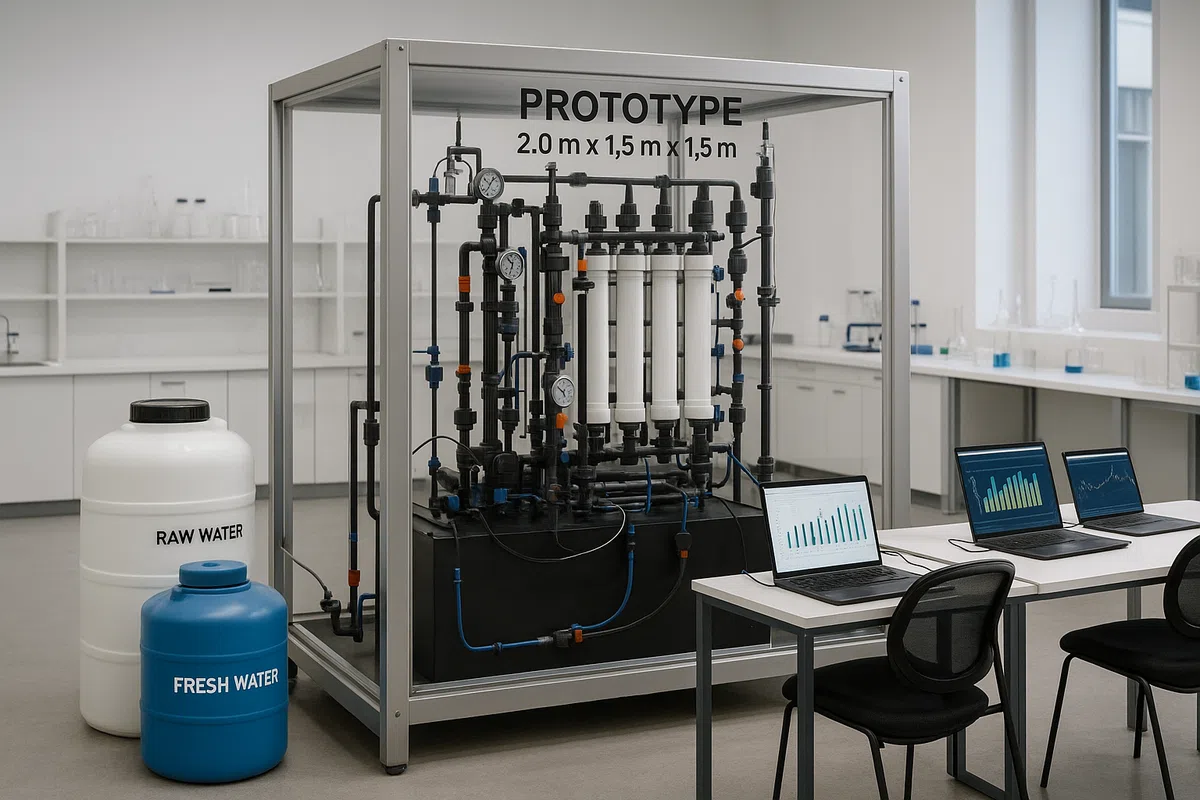
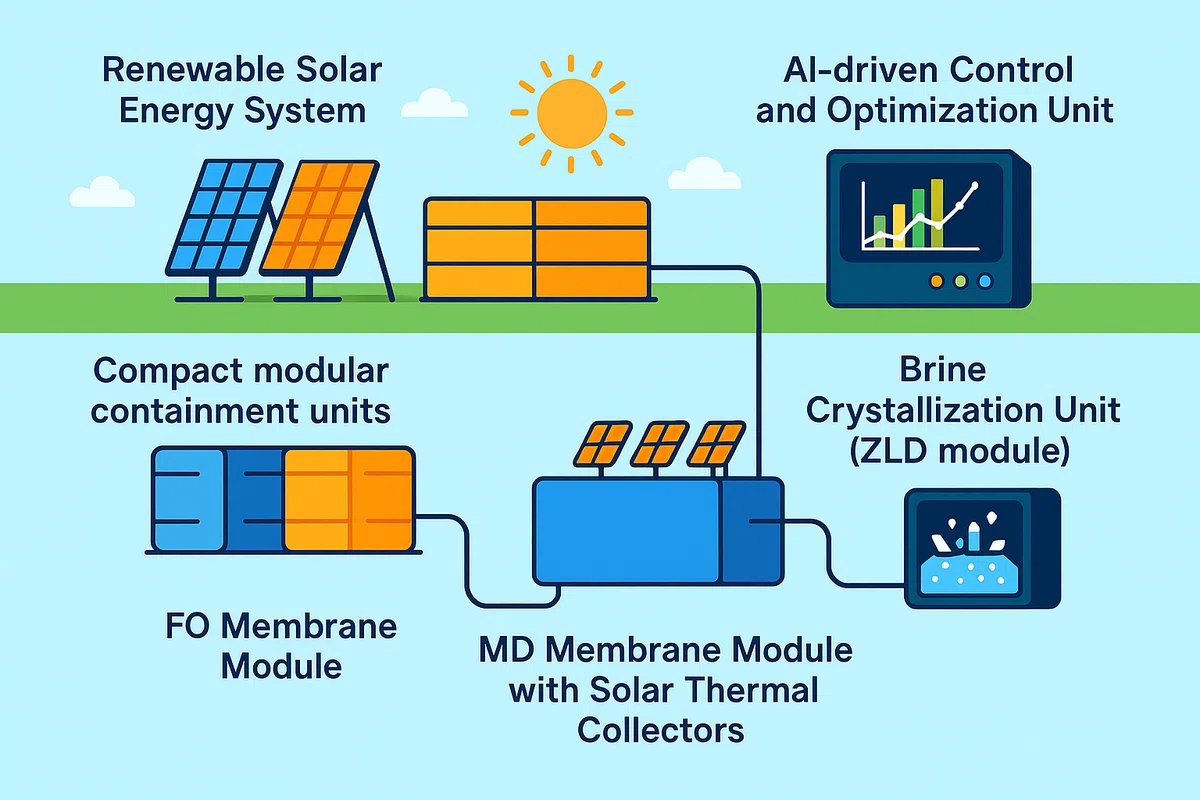
Description: Validation of the toxicological purity of desalinated water. We monitor for emerging disinfection by-products (e.g. DBPs) and validate that the removal of stable compounds (e.g. PFAS) does not result in more toxic intermediate metabolites (). In addition onsite evaluation of microbiological burden with automated systems, that allow a judgment of the water quality.
3.2 Circular Water Treatment and Residual Streams
[X] Environmental impact assessment
[X] Compliance with civil regulations
Description: Assessing the safety of reclaimed water and sewage sludge. We ensure that circular water reuse strategies comply with public health standards by screening for biological effects of "cocktail" mixtures of micropollutants.
3.3 Chemical and Biological Water Analysis
[X] Biological analysis
[X] Public health-related water safety
[X] Laboratory and field analysis methods
Description: Application of the open-source 2LabsToGo platform for planar bioassays (HPTLC-SOS-UmuC and HPTLC-YES). This allows for high-resolution, spatially resolved detection of genotoxins and estrogenic compounds in complex water samples.
3.4 Artificial Intelligence and Digital Tools (Enhanced Focus)
[X] Data acquisition and integration
[X] Pattern recognition and anomaly detection
[X] Predictive modelling
Description of contribution: We propose an integrated Digital Toxicology Framework that bridges the gap between biological effects and chemical identity. Our contribution focuses on:
Toxicity Driver Identification: Using machine learning to correlate chemical mass-spectra patterns with biological "hotspots" identified in planar bioassays. This allows the system to predict which specific chemical classes are driving the toxicity in complex water matrices.
Automated Alarm Systems: Designing digital "Early Warning" thresholds where AI flags anomalies-not based on the concentration of a single substance, but on the predicted biological impact of the entire chemical mixture.
4. Role in the Aqua Vitaque Project
[X] Work Package leader
[X] Task leader
[X] Validation and testing partner
Short description: We intend to lead the Work Package on "Toxicological & Microbial Safety Validation." Our team will act as the "Biological Quality Gate," ensuring that all water production and treatment technologies developed in the consortium can be validated against relevant endpoints using biotests (genotoxicity, cytotoxicity, and pathogen elimination).
5. Facilities, Infrastructure, and Assets
Accredited Lab: State-accredited testing body according to EN ISO/IEC 17025/17020 for water hygiene and inspection.
BSL-3 Infrastructure: High-security Biosafety Level 3 laboratory for safe research on emerging pathogens.
Advanced Bioassay Suite: Facilities for HPTLC-bioautography, flow cytometry (FACS), and cell based ecotoxicological tests (Calux Assays, Micronucleus Assay, MTS etc.).
6. Contribution to Impact and Dissemination
Scientific Publications: Consistent dissemination in peer reviewed scientific journals.
Regulatory Support: Providing data to assist public authorities
Engagement: Collaboration with the international and national health agencies to support evidence-based water safety plans.
7. Interest in Civil Funding Programmes
[X] Horizon Europe RIA
[X] Horizon Europe - CSA
[X] National civil research programmes (FFG/FWF)
8. Additional Information
Our research follows a strict "One Health" approach, recognizing that human health is inextricably linked to the health of aquatic ecosystems.