
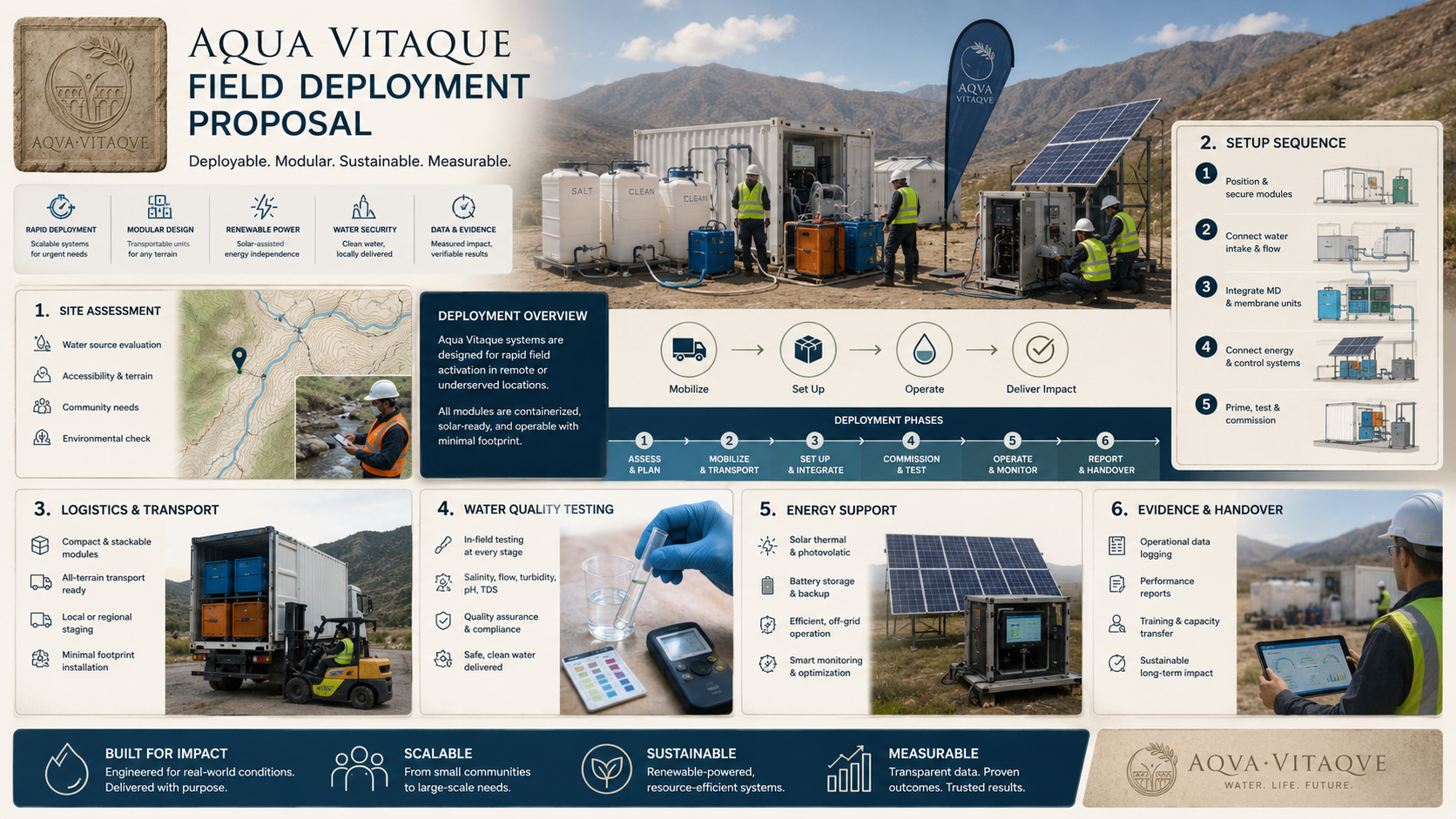
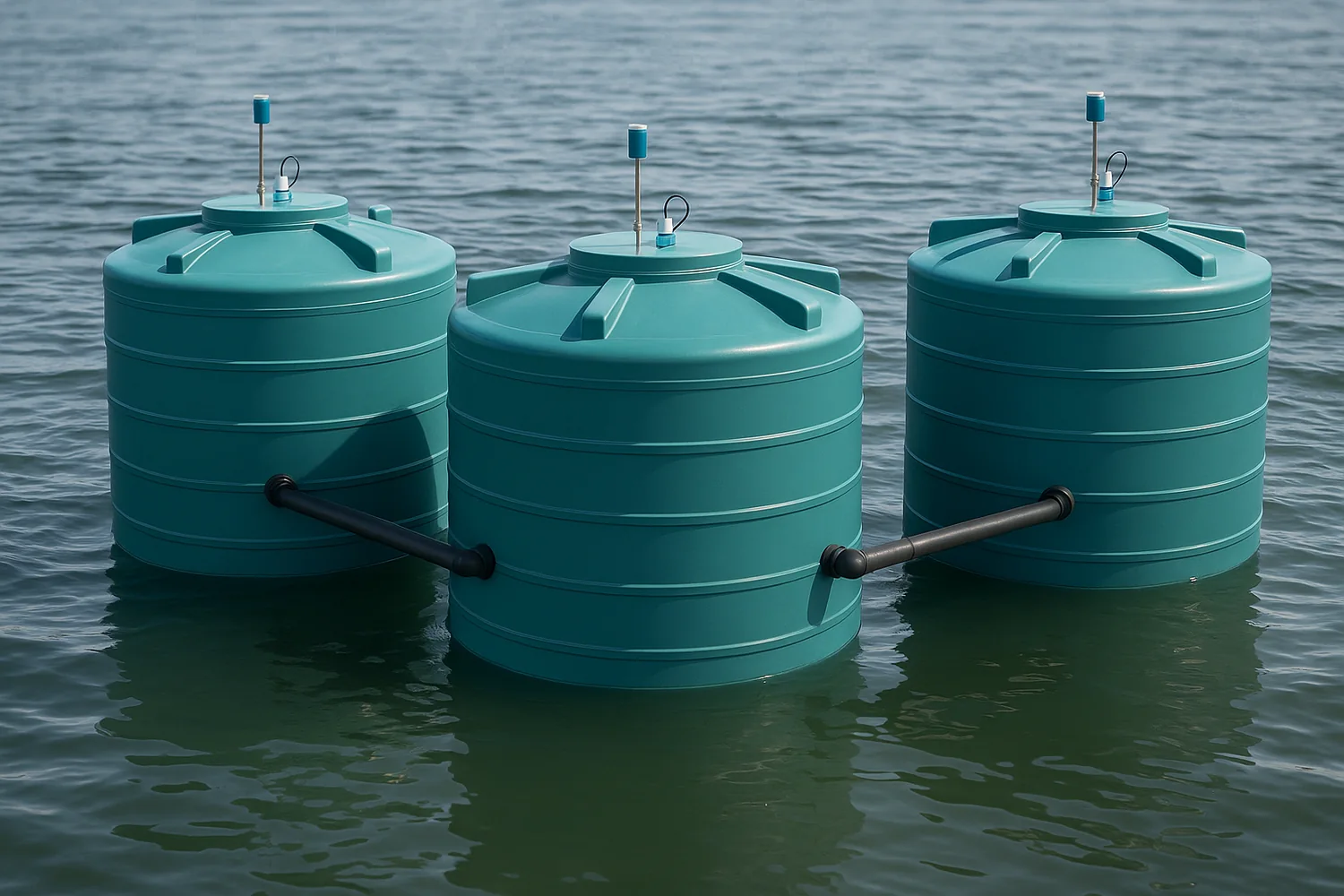
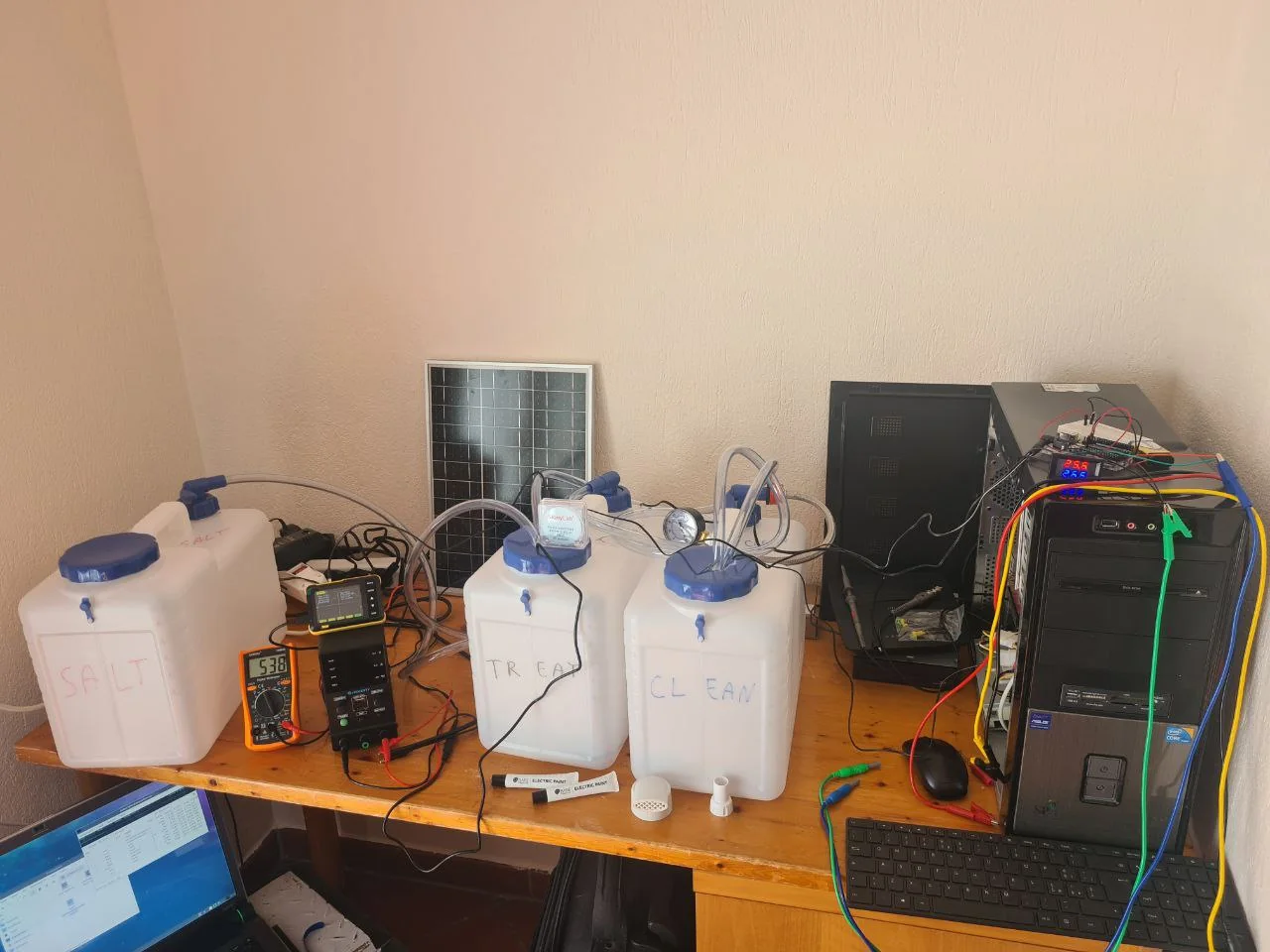
This page converts the Aqua Vitaque mission into a practical deployment proposal. A field system is never only a machine shipment: it requires source assessment, logistics, local ownership, operator training, quality validation and ongoing reporting.
Deployment sequence
A typical deployment begins with source-water mapping, contamination-risk review and context assessment. The engineering team then matches the intake and treatment train to the actual use case, whether the target is decontamination, desalination, reuse or a mixed water-security response.
Field readiness
Readiness includes power planning, consumables, cleaning procedures, sensors, product-water storage, brine handling, training materials and governance agreements with local actors. Aqua Vitaque is best understood as a field service architecture that must be operable, inspectable and teachable.
Expected outputs
Beyond safe water, the deployment is expected to generate acceptance tests, datasets, operating logs, community training artifacts and partner-facing summaries. These outputs are important because they turn a one-off pilot into a scalable and reviewable humanitarian infrastructure model.