







Computational biology, biomedical intelligence, environmental science and applied AI for complex living systems.
The program is presented as a scientific notebook: architecture, assumptions, applications, validation logic and visual evidence for researchers, innovators, students, professors, commercial partners and philanthropic organizations.
SpAIrt
When sports meet
StrongAI
_ Intelligent Sport in
extreme
conditions
M.VIVIANI, M.BISOGNI, N.L.BRAGAZZI
,
14,
Intelligent Sport in extreme conditions
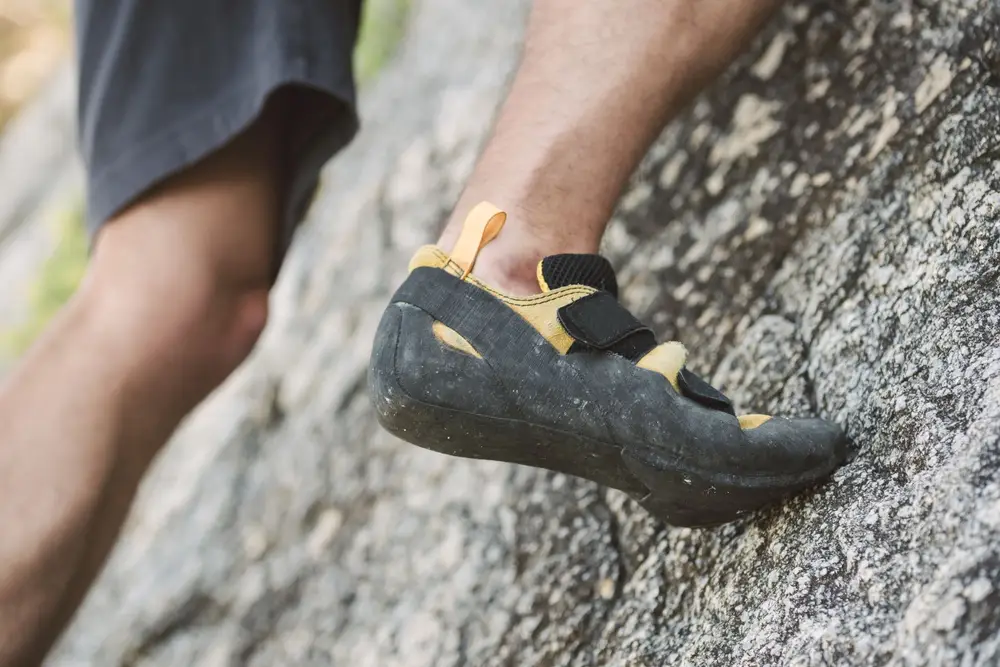
The success of an extreme sport challenge depends on how fast is the decay of the athlete's biological sphere.
Extreme fatigue, temperatures, lack of oxygen, and environmental roughness can pose a life-threatening risk.
Unfortunately, most of the training lacks a reliable simulation of the athlete's body reactions to such stresses.
SpAIrt solves most of these problems through a genome profile analysis (GPA) that attests to the athlete's natural skills and faults. Once this is known, we can normalize the protein unbalances through allowed natural and chemical supplements suggested by our AI.
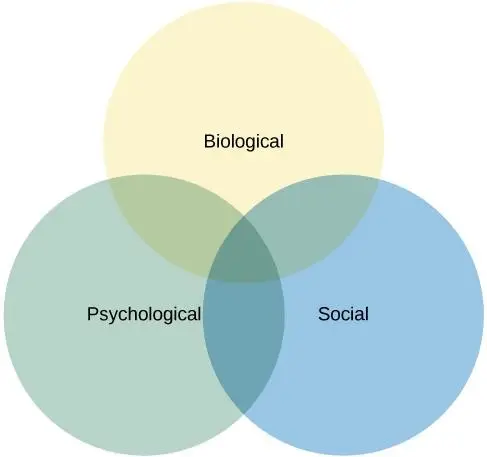
Sport/physical activity is a complex, multi-factorial, non-linear activity at the intersection of biology/physiology, psychology, and environment
Biological make-up of the individual (genes, proteins)
Psychological factors (such as motivation) and environmental variables also matter
Together with experience, training, dietary intake, and other environmental factors, the biological and genetic makeup of an athlete play a major role in exercise physiology in terms of performance and outcomes
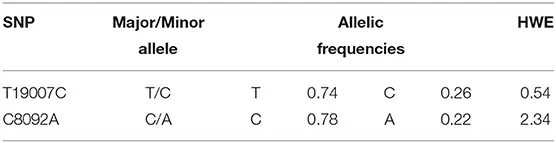
Sport genomics has shown that some DNA single nucleotide
polymorphisms can be associated with athlete level and performance, having an impact on physical activity and related variables like
endurance
strength
sprint
power
speed
flexibility
energetic expenditure
neuromuscular coordination
respiratory, metabolic, and cardiorespiratory fitness
, among others
Moreover, single nucleotide
polymorphisms have been shown to correlate with other parameters, including psychological traits
The athletic phenotype is extremely complex and multifactorial, depending on the combination of different features and characteristics.
On these bases, sport performance is a “complex science”
This is an opportunity also to study modifications in human DNA and
test wearables in hostile conditions
How does
works
Our Services/Products
Point of collection of the genome
Exome Sequencing focused on 120 exomes identifying polymorphism in the subject. Such exomes are related to Endurance and power/strength
AI analysis
Report: Athletes General Characteristic
Some studies are showing there is an
association between DNA polymorphisms and athletic performance.
They are focused on: Strength and Endurance, but other exomes can be added
Basic Report
Exome Sequencing focused on 120 exons identifying polymorphism in the subject. Such exomes are related to Endurance and power/strength
Athlete Detailed Characteristics at rest
Some studies are showing there is a
associations between DNA polymorphisms and athletic performance.
They are focused on: Strength and Endurance, but others exomes can be added
Medium Report
Gene expression
analysis
through comparison with biomarkers (natural condition analysis)
normal conditions
biomarkers
Exome Sequencing focused on 120 exomes identifying polymorphism in the subject. Such exomes are related to Endurance and power/strength
Full athletic Characteristics
associations between DNA polymorphisms and athletic performance
Complete Report
Stimulated gene expression and
AI postural detection
analysis through comparison with biomarkers (dynamic analysis)
training conditions
From the comparison of the two previous reports, we enhance the differences in gene expression under different stimulations
Some studies show an
association between DNA polymorphisms and athletic performances.
They are focused on Strength and Endurance, but other exomes can be added
Repairing Actions
We correct with designed stimulating compounds the gene production of missing proteins
Health Sphere
SNP
Resistance
Why this is possible?
Conventional systems work through biomarkers and utilize AI to attest the Athlete Biosphere, which provides a graphical statement of her/his genomic skills and faults
Nowadays, affordable supercomputers allow us to read and predict genetic expressions and maintain and enhance athlete performance
Artificial Intelligence in Genomics is the new compass
Toward
Sportomics
Shifting
From Sport Genomics
to
Sport
Postgenomics
and
Metabolomics
Specialties.
Promises,
Challenges,
and Future
Perspectives
International
Journal of Sports
Physiology
Performance,
2020, 15,
1201-1202
https://doi.org/10.1123/ijspp.2020-0648
2020 Human Kinetics,
Inc.
EDITORIAL
Together with experience, training,
dietary
intake, and
other
envi
ronmental
factors,
the biological and
genetic
makeup
of
an
athlete
play
a major role
in
exercise
physiology in
terms of performance
outcomes.
Sport genomics has shown
that
some DNA
single
nucleotide polymorphisms can be
associated
with
athlete level
performance
(such
as elite/world-class athletic status),
having an
impact
on
physical
activity
related variables like
sprint; power; speed
flexibility; energetic
expenditure; neuromuscular coordination; and
respiratory, metabolic,
car
diorespiratory
fitness, among others. Moreover, single-nucleotide polymorphisms have been shown to
correlate
parame
ters
including psychological
traits.
The
athletic
phenotype
is extremely
complex and
multifactorial,
depending
combina
tion
of different features
and characteristics.
On this basis, sport
performance is a
complex
science,
like that of metadata
multiomics
profiles.
Several
ambitious
projects (like
the Exercise
at
Limit
Inherited
Traits
[ELITE],
GAMES,
Gene
Skeletal
Muscle Adaptive Response to Training
or
Gene SMART,
GEN- ATHLETE,
Genetics
Elite
Status
GENESIS,
1000
Athlomes
Super-Athletes,
and POWERGENE
trials) are aimed
discovering genomics-based biomarkers with an adequate
predic
tive
power.
These
projects are
aimed
overcoming the
major
drawbacks that plagued previous investigations,
generally
relying
small
rather
heterogeneous cohorts
of athletes.
Sport genomics could enable
researchers,
athletes, sport
scientists,
and coaches/managers
optimize
maximize
and identify prevention
strategies
in the field
individual
risk of sport-related injuries (like Achilles
tendinopathy
or rotator cuff
pathologies).
However, the
genome
is only a
pebble
mosaic
physiology.
has
profound
also
human proteome, for instance,
finely tuning
ATP-related pathways
mitochondrial
protein synthesis, as well as
proteins
belonging
inflammation, antioxidation, anticoagulation,
iron.
Moreover,
exercise modulates transcription patterns
epigenetics,
as well as
metabolic
profiles. All these
different
omics
specialties (like
sport genomics,
epigenomics, transcriptomics, proteomics,
metabo
lomics
metabonomics
) converge
unique
approach termed
as
sportomics.
Introduced
for the
first time
by
Brazilian scientist Cameron
colleagues,
word
can
be
defined
holistic and top-down
framework, characterizing
all
non
hypothe
sis-framed
but
data-driven research
for
systematically uncovering
biomolecular
changes during
sport.
includes both genomics and
spe
cialties
and, comprehensively relying
biological
passport
profile,
would
enable
systematic
study
induced responses and adaptations
any
level
(genome,
tran
scriptome
proteome,
etc
).
This
is
the ambitious goal
large collaborative initiative
Athlome
Project
Consortium,
as stated
Santorini Declaration
during the symposium held in Greece in May 2015. Pursuing this goal would definitively pave the way for
personalized,
individualized
understanding
orchestrated effects of physical
activity.
Among
others,
particular
importance since, unlike genes and proteins, the function of which is
depen
dent on epigenetic changes and posttranslational modifications, metabolites are the direct result of biochemical interactions and are, therefore, powerful and reliable factors in physiological studies.
Metabolites
are
produced
end
products
chemical processes and are considered the final result of gene expression. Changes in the metabolome occur in the timescale of seconds or minutes
exactly
reflect
physiological
body
a certain time.
Quintas
et al
used metabolomics to study the relationship(s) between internal and external load indicators dur
ing
a football season and reported that steroid hormone
biosyn
thesis and metabolism, and tyrosine and tryptophan metabolism pathways were the main external load indicators in football. Furthermore, another study correlated endurance performance with a list of metabolites, which were involved in the energy metabolism,
antioxidant
defense,
cell
damage,
central
nervous system
signaling metabolites.
In another study, Al
Khelaifi
et
al
studied resting blood samples of 4 elite athletes
categories (high and moderate endurance, high- and moderate-power athletes) and reported that high-power and high-endurance athletes showed a different metabolome, mainly associated with steroid
biosynthe
sis, fatty acid metabolism, oxidative stress, and energy-related pathways. This study has opened a new insight into sport talent identification.
However, according to a recently published systematic
review of the studies in the field of sport metabolomics/
, most researchers have focused on prolonged exercise practice/programs, while the effects of acute exercise bouts were generally overlooked, with a few notable exceptions.
If these gaps are properly acknowledged and addressed,
could be highly relevant for sport sciences. Indeed, it could provide athletes, sport managers/coaches, and other relevant actors
stakeholders with detailed information concerning
personalized
training and nutrition, potentially allowing them to (1) identify talents, (2) enhance/optimize performance, (3) design ad
hoc
training and conditioning programs, and (4) minimize the risk of injuries and therefore contribute to optimizing each athlete
s own
potential.
Nicola Luigi
Bragazzi
, York
University,
Canada
Kayvan
Khoramipour
(k.khoramipour@kmu.ac.ir), Kerman University of Medical Science,
Iran
Anis
Chaouachi
, Center of Sports
Medicine,
Tunisia Karim
Chamari
, IJSPP Associate
Editor,
ASPETAR, Qatar Orthopedic and Sports Medicine Hospital,
Qatar
References
Gabriel BM,
Zierath
JR. The limits of exercise physiology
from performance
health.
Metab
2017;25(5):1201
1202.
PubMed
ID
Robotics field photograph
doi
10.1016/j.cmet.2017.04.018
Ahmetov
II,
Fedotovskaya
ON.
Current
progress
sports
genomics.
Advances
Clinical
Chemistry
(Vol.
70,
pp.
314).
Amsterdam,
Netherlands: Elsevier
2015.
Hoffman NJ. Omics and exercise: global approaches for
mapping
networks.
Cold
Spring
Harb
Perspect
Med
2017
7(10):a029884. PubMed ID
Robotics field photograph
10.1101/
cshperspect
. a029884
Pitsiladis
YP,
Tanaka
M,
Eynon
N,
al.
Consortium: a concerted effort to discover genomic and other
omic
markers of athletic performance.
Physiol
Genomics
. 2016;48(3):183
190. PubMed ID
Robotics field photograph
10.1152/physiolgenomics.00105.2015
Lanza
IR,
Sreekumaran
Nair
K.
Regulation
skeletal muscle
mito
chondrial
function
genes
proteins.
Acta Physiol
. 2010;199(4)
547. PubMed
Robotics field photograph
10.1111/j.1748-1716.2010.02124.x
Bassini
A, Cameron LC.
building a new concept
metabolic studies and exercise science.
Biochem
Biophys
Res
Com
mun
. 2014;445(4):708
716. PubMed ID
Robotics field photograph
10.1016/j. bbrc.2013.12.137
G,
Reche
X,
Sanjuan-Herráez
JD, et al. Urine metabolomic analysis
monitoring
internal
load
professional
football
players.
. 2020;16(4):45. PubMed ID
Robotics field photograph
10.1007/
s11306-020-01668-0
Monnerat
Sánchez
CAR,
Santos
CGM,
signatures of high cardiorespiratory capacity revealed with metabolomic
profil
in elite athletes.
Int J Sports
Perform
2020;15(8):1156
1167. PubMed ID
Robotics field photograph
10.1123/ijspp.2019-0267
Khelai
F,
Diboun
I, Donati F, et al.
A pilot study comparing the metabolic profiles of elite-level athletes from different sporting disciplines.
Sports Med Open
. 2018;4(1):2. PubMed ID
Robotics field photograph
10.1186/s40798-017-0114-z
Contrepois
K, Wu S,
Moneghetti
KJ, et al. Molecular choreography of acute exercise.
. 2020;181(5):1112
1130.e16. PubMed
Robotics field photograph
10.1016/j.cell.2020.04.043
Scientific collaboration model
Research programs are organized around computational hypotheses, validation discipline, experimental caution and ethical review.
Financials
We are looking for Initial funding for our Start Up
Resources
allocation
General
View
Software Development
500,000 CHF
Externalities
200,000 CHF
Supercomputer + Server Farms
700,000 CHF
Lab
Facilities & Utilities
400,000 CHF
Total
Request
2,000,000 CHF
Thank you for following our presentation
,