Source control
Understand where the water comes from, what contaminants are plausible and which upstream controls are required before treatment.

Controlled reuse
Aqua Vitaque frames wastewater-to-irrigation not as the direct use of wastewater, but as controlled reuse of treated water after source control, treatment barriers, agronomic gates and auditable release records.
Agricultural water resilience
Agriculture is one of the most exposed operational domains for water stress. Contamination, salinity shocks, pathogens and infrastructure disruption rapidly affect food security, rural stability and continuity of service.
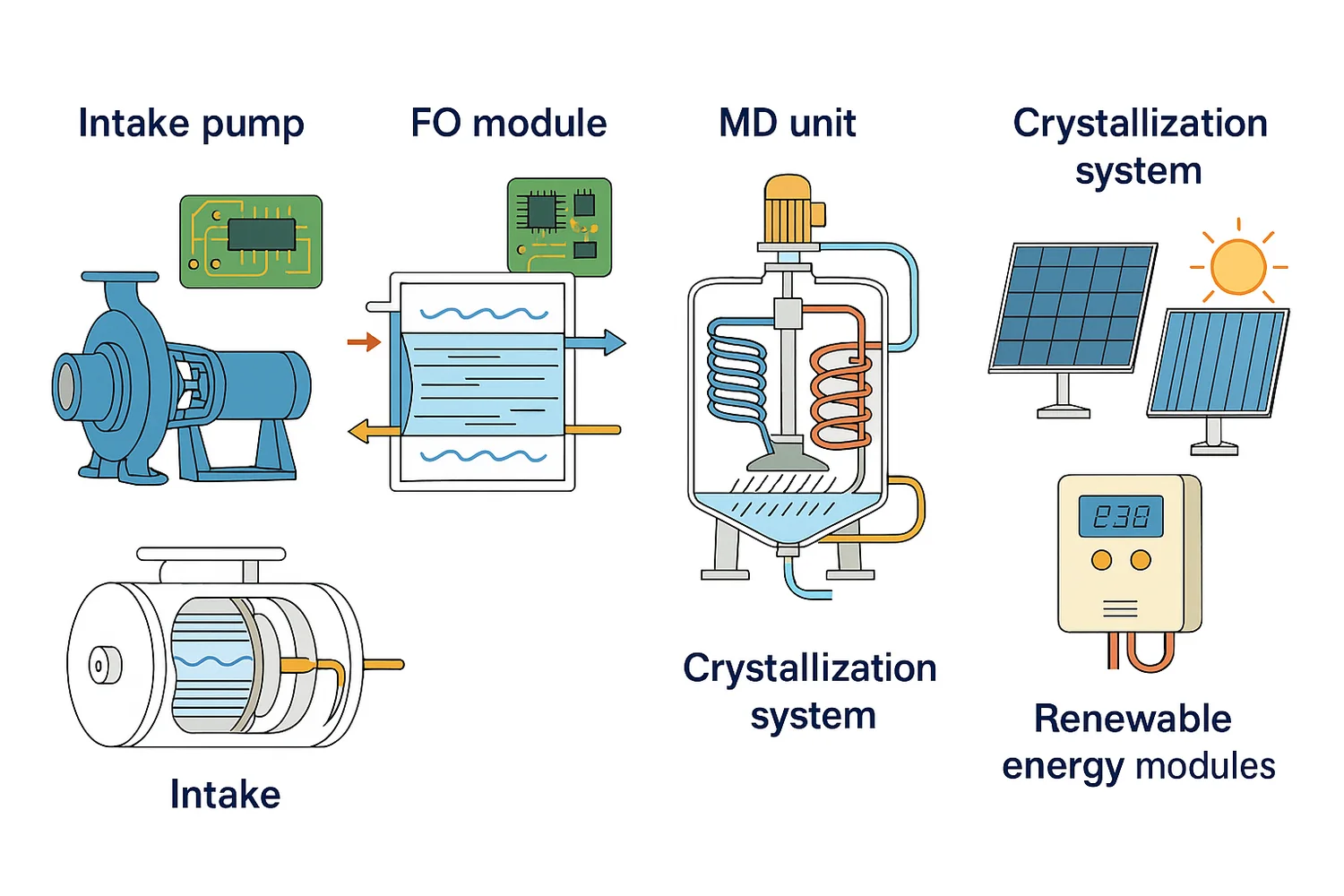
Aqua Vitaque addresses this with a governed release logic. The question is not whether water can be made visually clear; it is whether treated water is fit for a specific crop, soil, season, irrigation practice and risk profile. That requires source control, treatment barriers, monitoring and a record of why release was justified.
Evidence gates
Understand where the water comes from, what contaminants are plausible and which upstream controls are required before treatment.
Combine physical, chemical and biological risk reduction pathways appropriate to the feedwater and intended use.
Evaluate salinity, sodium adsorption ratio, boron, soil compatibility, crop sensitivity and seasonal constraints.
Log measurements, thresholds, decisions and operator responsibility so that reuse becomes accountable and reviewable.
Scientific foundation
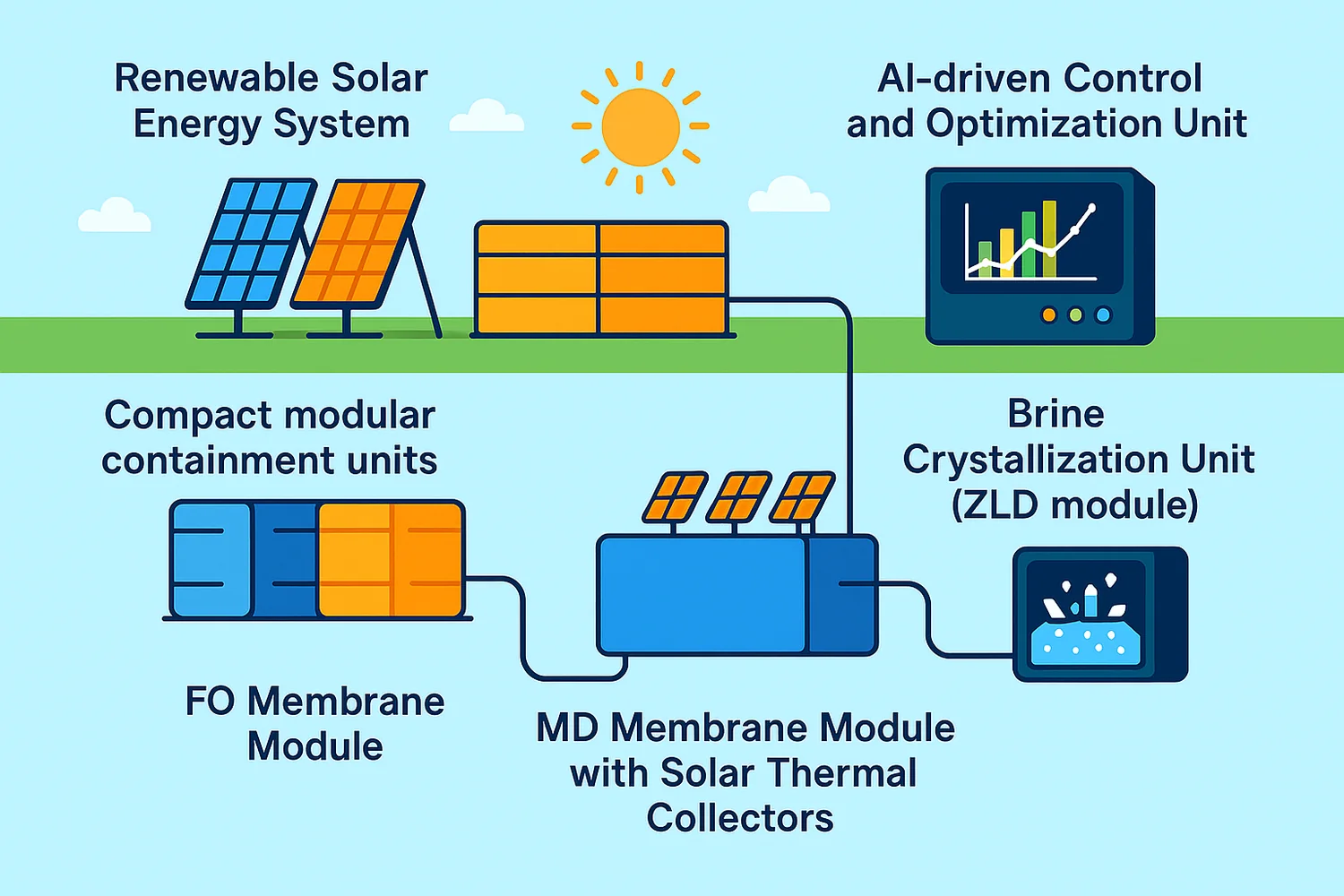
The Aqua Vitaque framework is designed to be legible to regulators, utilities, agronomists, farmers, laboratories and donors. It translates risk-based water-reuse principles into a deployable research and operational object: measure the feed, select the treatment path, verify the intended use, log the decision and improve the next iteration.
The design language aligns with the direction of modern water-reuse science: minimum quality requirements, risk management, crop classes, contaminants of emerging concern, bioassays, high-resolution analysis, performance indicators and proportional monitoring.
Why this matters to philanthropy
Donor-funded reuse pilots can fail if they prioritize visibility over evidence. Aqua Vitaque is designed to make philanthropic capital measurable: baseline risk, treatment performance, soil and crop compatibility, operator training and release accountability become part of the pilot from day one.
Reduce vulnerability where clean irrigation water is unreliable, saline or disrupted by climate stress.
Prevent unsafe reuse by making microbial, chemical and toxicity signals part of the release decision.
Protect soils, aquifers and receiving environments by monitoring salinity, nutrients and cumulative stress.